

A useful truck-lighting upgrade starts with the problem: a damaged headlight, poor aim, a failed signal, an unsuitable beam or a lens that accumulates ice. Identify that problem before choosing a technology or advertised output figure.

Inspect and restore the basics first
Check lenses, mounting, connections and required lighting functions. A replacement bulb will not repair a leaking assembly or loose mount. Confirm what is fitted now, especially on a truck that has aftermarket housings or modified wiring.
Choose the headlight for its intended job
Low beam, high beam, fog lighting and off-road lighting have different purposes. Match the exact lamp to the position and application. Use our big-rig headlight categories to find the truck or lamp format, then read the selected product’s fitment and installation details.
For a specific example, the BTS Peterbilt 389 headlight comparison records actual BTS lux measurements and beam observations. The 389 upgrade guide explains when bulbs or complete assemblies are the more useful starting point.
What research supports—and what it does not
IIHS headlight research evaluates visibility and glare and reports associations between headlight performance and crash outcomes in the vehicles studied. It also explains that choosing LED, HID or halogen alone does not guarantee a good headlight rating.
That research is not a trial of a BTS aftermarket kit or a universal percentage reduction in heavy-truck crashes. A percentage from a study of factory-installed headlights cannot be transferred to an aftermarket bulb or kit without evidence for that application.
Signals and winter use need their own checks
Confirm that replacement signals and markers provide the required colour and functions, and check flash rate and any warning messages after installation. Choose components and modules for the actual circuit rather than assuming every LED behaves the same way.
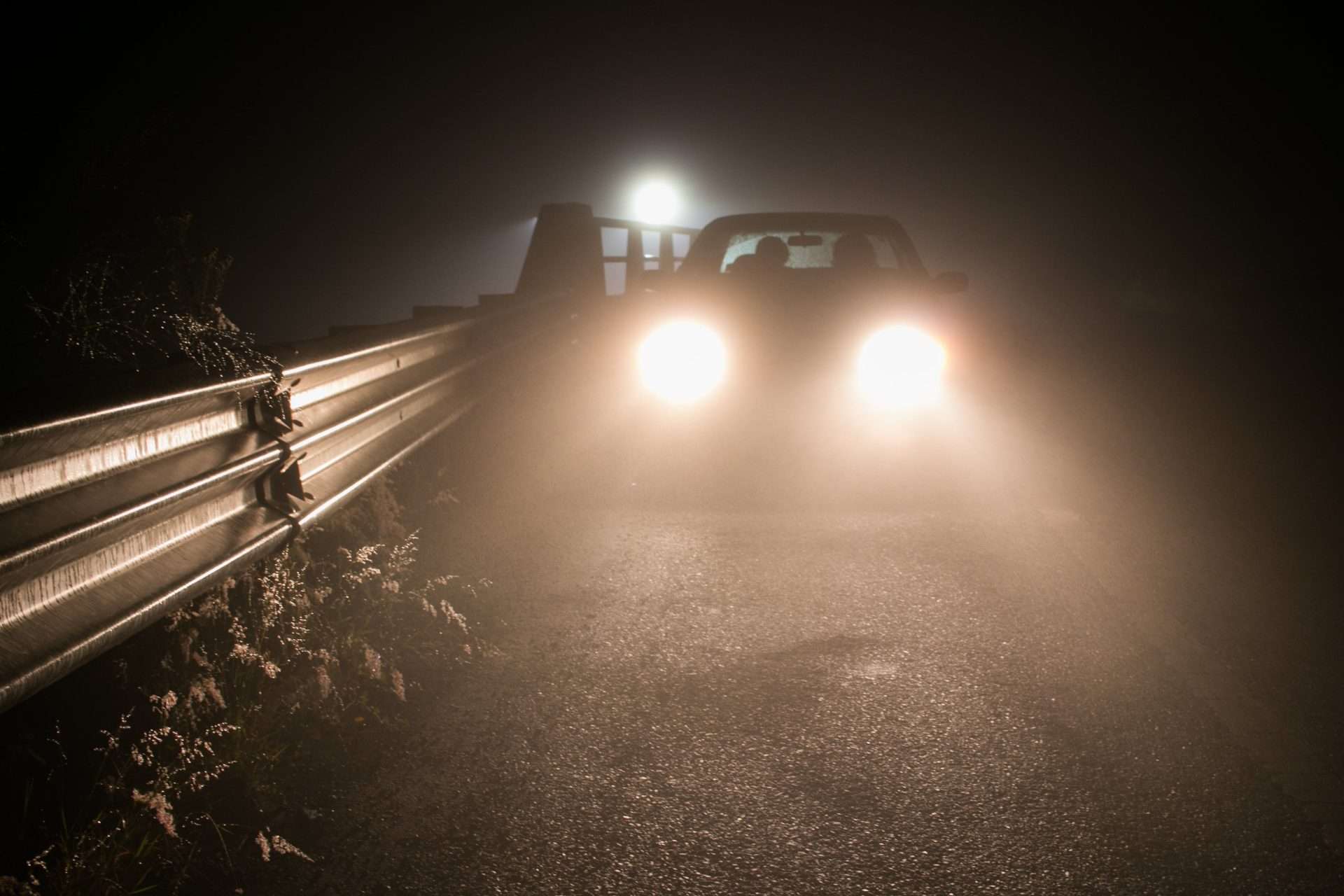
For snow and ice, distinguish an active heated lens from the heat-management system of an LED bulb. Inspect and clean lenses during operation as needed. Fog lamps also need the correct beam, mounting and aim; increasing output alone is not evidence of better visibility in adverse weather.
Finish with the complete installation
Follow the selected product’s instructions, secure and seal the wiring correctly, check every required function and set the headlight aim. Confirm the exact product’s road-use requirements. Record the installed part numbers so future service is based on the equipment on the truck.
Questions before you order
Does changing to LED automatically improve a headlight?
No. The complete lamp, its optics, the installation and aim determine performance.
Can a lighting upgrade promise a percentage reduction in accidents?
Not from the evidence presented here. A product-specific claim would require evidence applicable to that product and installation.
Where do I start if I only need bulbs?
Use the truck-specific bulb guides and our LED headlight bulbs selection, then verify the installed housing and exact product requirements.